

Case Examples in Accident Reconstruction and Injury Causation
The following examples reflect the range of cases Hayes + Associates has analyzed, involving vehicle collisions, falls, product defects, workplace incidents, and criminal matters. Each case involves a detailed evaluation of the event, the forces involved, and the relationship between those forces and the injuries sustained.
While every case is unique, these examples illustrate a consistent approach—reconstructing events based on physical evidence, applying injury biomechanics, and developing conclusions that are grounded in science and applicable to real-world litigation.
Vehicle Collisions
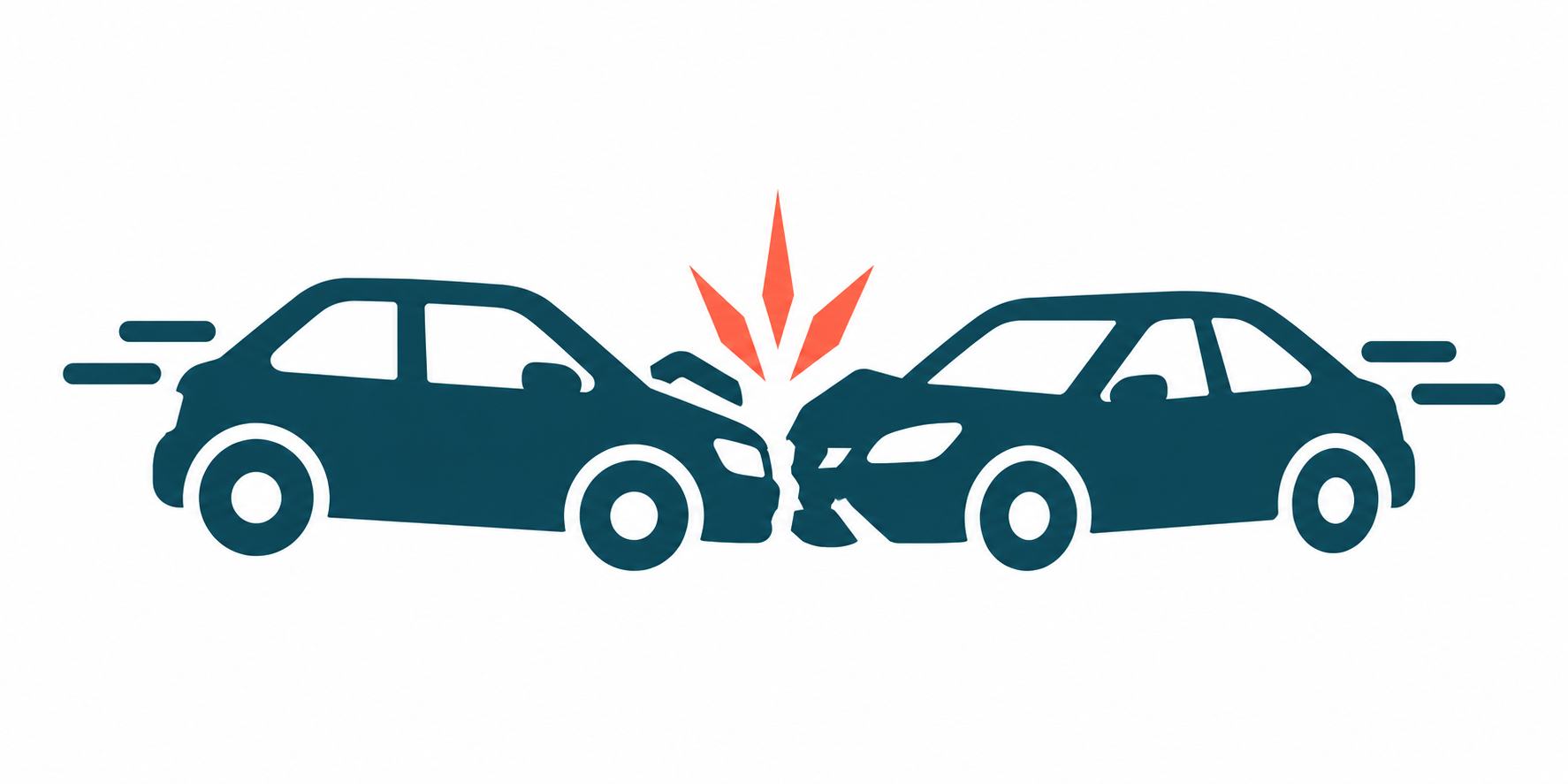


Cases involving vehicle collisions range from catastrophic bus rollovers and high-speed tractor-trailer incidents to low-speed rear-end impacts and interactions with pedestrians or cyclists. Each requires a clear determination of collision severity, the motions and forces imposed on the body, and whether those forces are consistent with the injuries claimed.
This evaluation integrates accident reconstruction, impact biomechanics, and injury biomechanics, with causation assessed through a reliable biomechanical mechanism, timing of symptoms, objective evidence of injury, and consideration of alternative causes. Advanced tools—including laser scanning, drone-based scene documentation, crash reconstruction and simulation, and human biodynamic modeling—are applied to develop clear, defensible conclusions grounded in the physical evidence.
Premises Safety
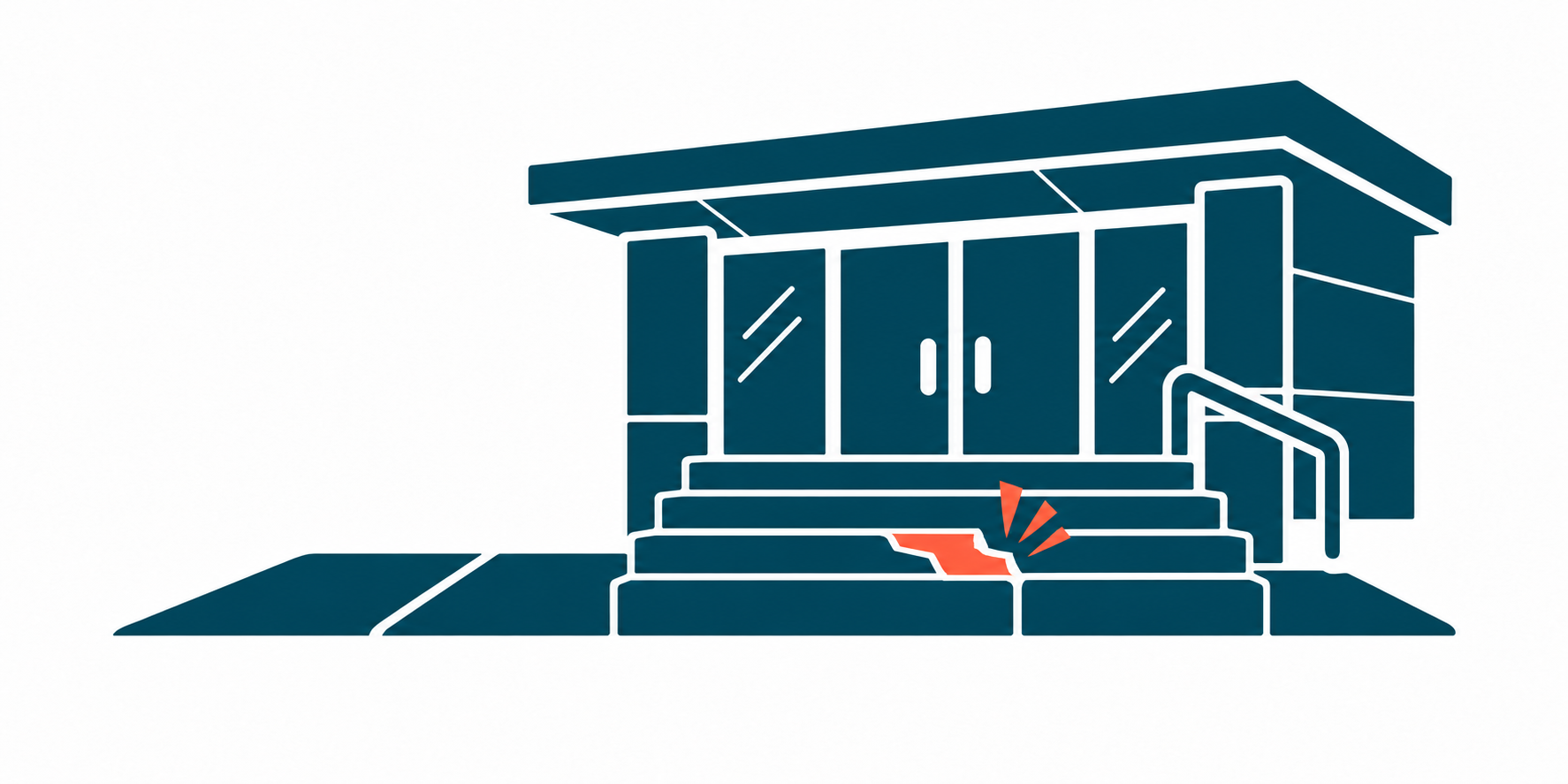


Premises safety cases require a clear determination of whether environmental conditions, design, or maintenance practices contributed directly to the claimed injuries. This begins with a scientifically reliable reconstruction of the event, followed by evaluation against applicable codes, standards, and accepted practices.
The analysis incorporates 3D reconstruction of the environment, slip resistance testing of walking surfaces, and validated lighting measurements, along with detailed assessment of injury patterns. These elements are evaluated together to determine causation and whether reasonable design or maintenance alternatives were available.
Slips and Falls
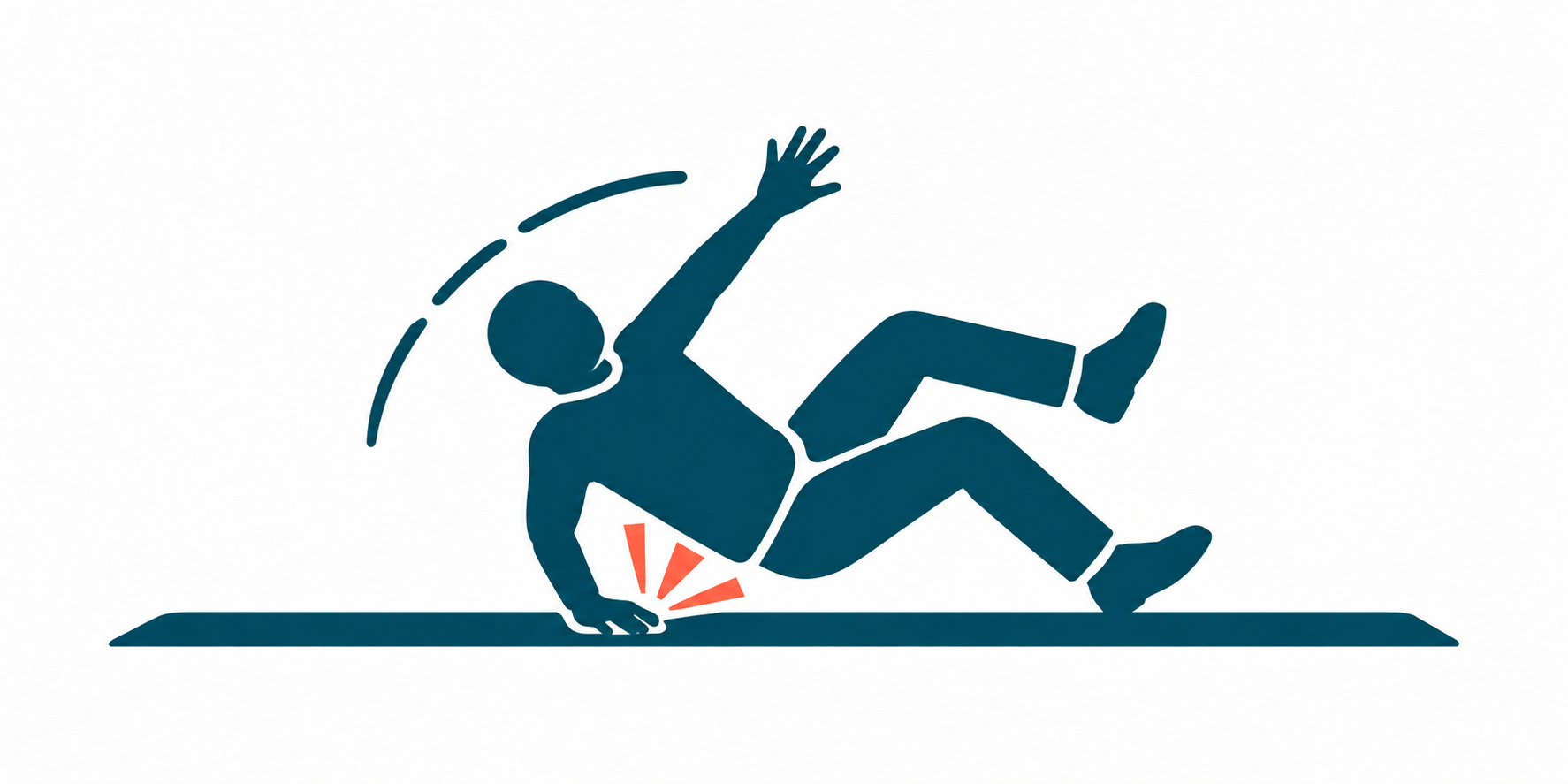


Falls are evaluated as a sequence of events that may include initiation, descent, impact, and post-impact positioning. A reliable reconstruction must account for each phase, producing the injuries sustained, the final position of the individual, and a sequence that is consistent with both the laws of physics and known principles of fall biomechanics.
This approach applies across a wide range of scenarios—from simple falls at ground level to complex events involving significant height or external forces. The analysis is developed to align with the available evidence, testimony, and known mechanics of human motion, ensuring that conclusions are both scientifically grounded and consistent with the facts of the case.
Products Liability
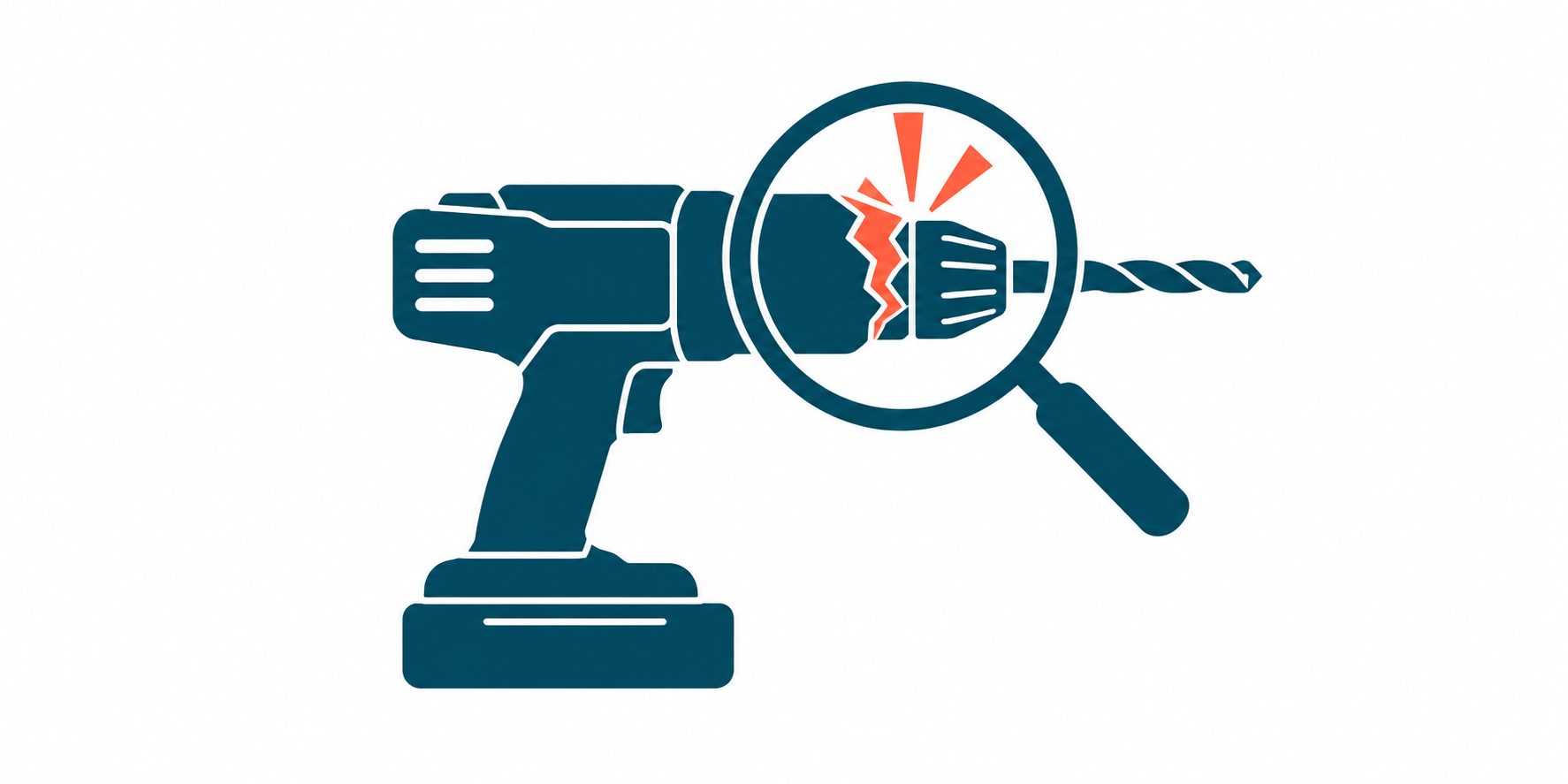


Product liability cases require a determination of whether design, manufacturing, or use-related factors contributed to the claimed injuries. This begins with a scientifically reliable reconstruction of the event, followed by an evaluation of how the product functioned under the conditions in question.
The analysis considers the interaction between product design, human use, and the resulting injury patterns. In many cases, the injuries themselves provide important insight into the forces and mechanisms involved, helping to identify whether a defect or failure contributed to the outcome and how alternative designs or conditions may have changed the result.
Worker Safety
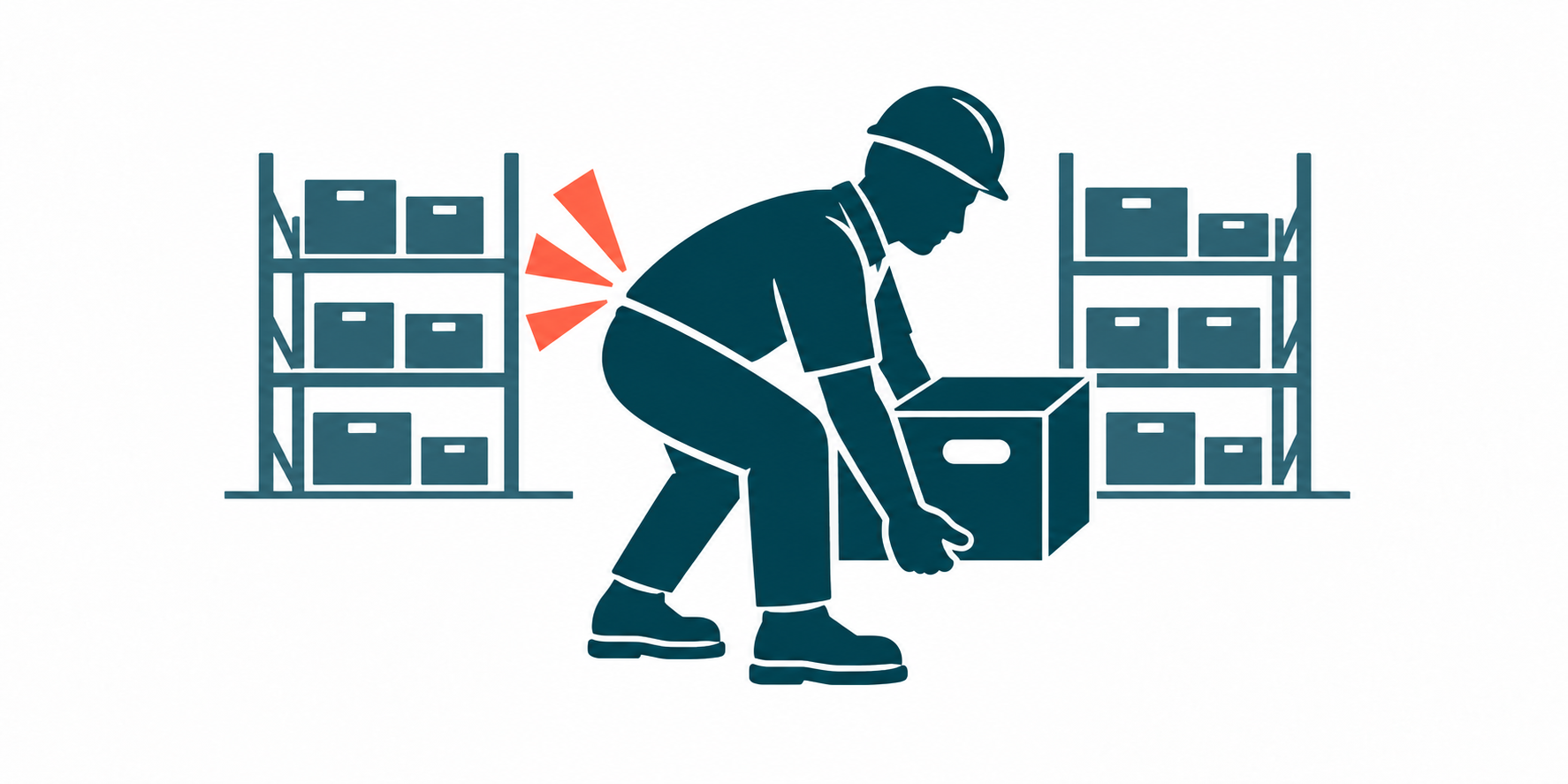


Workplace injury cases require evaluation of both acute events and conditions involving repetitive loading of the body. Analysis begins with reconstruction of the work-related activity, followed by assessment of the forces applied and whether those forces are consistent with the claimed injuries.
Particular attention is given to distinguishing between occupational exposures and those encountered in activities of daily living. Ergonomics and human factors research are applied to define safe ranges of motion and loading, helping to determine whether workplace conditions exceeded those thresholds and contributed to injury.
Sports and Recreation


Injuries in sports and recreational settings require analysis of both the event and, in some cases, the equipment involved. This includes evaluation of motion, forces applied to the body, and comparison to recognized injury thresholds across a wide range of activities.
Advanced tools such as motion capture, gait analysis, and biodynamic modeling are used to assess both acute and repetitive injuries. These methods have been applied across activities, including skiing, cycling, diving, team sports, and weightlifting, providing insight into how performance, equipment, and environment contribute to injury.
Patent Litigation

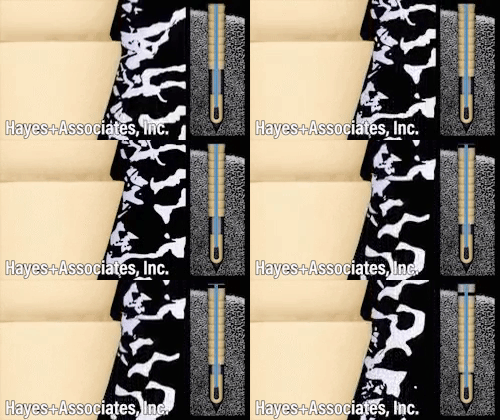
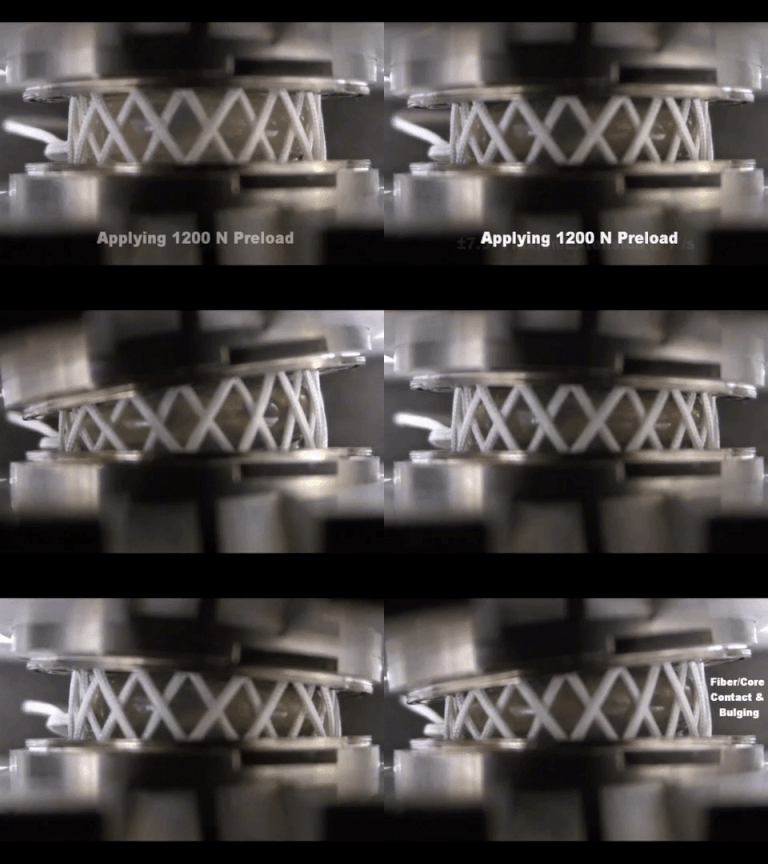
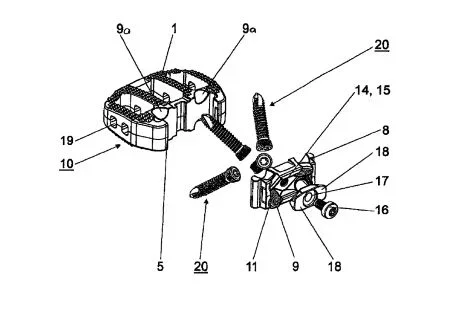
Our patent litigation practice at H+A, involving both analyses of validity and infringement, benefits from Dr. Hayes's more than 40-year career in academic research and teaching in orthopedics, biomechanics, mechanical engineering, and clinical medicine. He is the author of over 200 peer-reviewed publications, several books, and more than 60 book chapters, with much of his published work involving orthopedic and other implantable medical devices. Dr. Hayes is also the holder of 10 patents and has testified for both plaintiffs and defendants in over 8 patent trials. We also have an in-house laboratory for the mechanical testing of both animal and human tissues, and their interactions with orthopedic and other implantable devices. We make use of in-house stereo zoom microscopy and profilometry, and have access to micro-computed tomography and scanning electron microscopy through Oregon State University.
Criminal Matters


Cases involving alleged injuries in criminal matters require a clear reconstruction of the event, including detailed characterization of the injuries and the forces necessary to produce them. This may involve analysis of assaults, shootings, restraint conditions, or other forms of physical interaction.
Reconstruction of human anatomy in three dimensions, combined with analysis of the surrounding environment, allows for evaluation of positions, movements, and interactions between individuals. These methods are used to assess consistency between physical evidence, reported events, and the injuries observed, helping to resolve disputed facts in complex cases.
See the Evidence in Motion
Explore brief case videos showing how H+A uses advanced reconstruction and visualization tools to transform complex technical evidence into accurate, understandable explanations.
Hayes + Associates works with attorneys to evaluate cases, clarify technical issues, and provide expert analysis from initial review through trial. Early engagement allows for a more complete understanding of the facts and helps shape strategy from the outset.
Engage Hayes + Associates
Whether you are assessing a new matter or advancing an existing case, the firm provides clear guidance on mechanism, causation, and next steps—delivering insight you can act on with confidence.