By Hillary Fishler, for Hayes + Associates
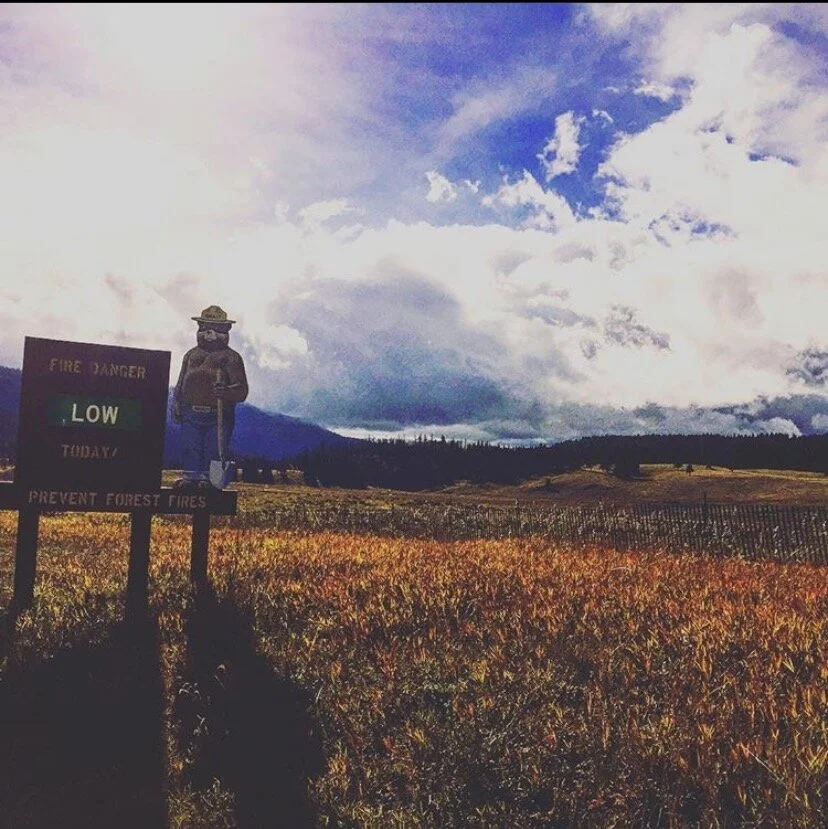
Author’s 2013 field photo of the Santa Fe National Forest at Los Alamos, NM - near the site of the Los Conchas and Cerro Grande Fires.
With an extreme fire season underway, particularly in the Pacific Northwest, many families living near forested or open space and natural areas – what is known as the “wildland-urban interface” – or WUI, have been forced to evacuate, with many unfortunately losing their homes and personal property.
While fast-moving fires may pose an obvious threat to individual safety, post-fire hazards around the affected homes may increase chances of personal injury, particularly for homeowners returning to their property following a wildland fire event.
Hazards present after a wildfire can pose personal injury and potentially fatal risks to those who have returned to their homes or chosen not to evacuate. These hazards include, but are not limited to: falling limbs and trees, still burning embers in eaves and grasses, roof/floor/and foundation instability in homes, downed power lines, roadway hazards, and post-fire erosion or slides during rain.

Author’s 2013 field photo of the 5-year post-fire conditions of a road to a private residence in Goldendale, WA, site of the Monastery Complex Fire.
The following precautions can help protect individuals returning to survey damage from sustaining injuries following a wildfire, where the stability and safety of buildings, vegetation, and other structures have been compromised during the event.
1. Only return to your property when authorities and/or public safety have deemed it safe for residents to do so. It may be difficult to receive help or medical attention for injuries that may occur during post-disaster surveying, particularly if inroads and exits have not been cleared for vehicle travel.
2. Wear closed-toe shoes and protective clothing. Be prepared to step on uneven ground, rubble, sharp objects, and downed trees, etc.
3. Take a buddy. Ensure that you have someone capable of helping you in the event of a personal injury.
4. For additional information in surrounding forested areas, contact your local USDA Forest Service office and speak to their information officer. They can provide reliable updates regarding the fire event, its containment, safety precautions, and updates for community assistance, or point you to the local organizations that are reporting accurate information.
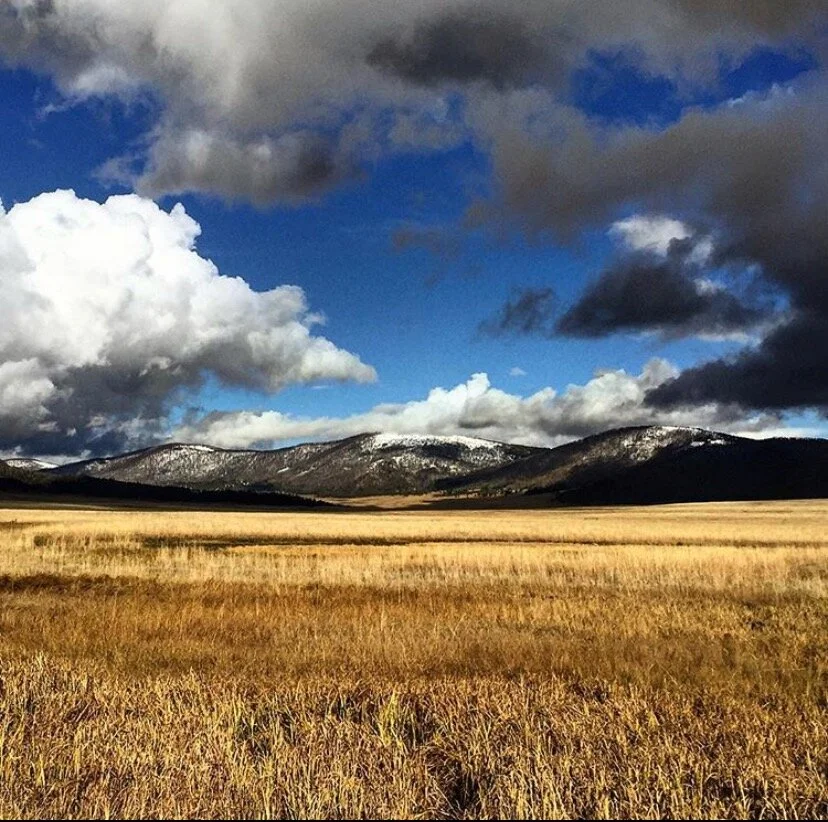
Author Photo of Valles Caldera National Monument, protected during the Los Conchas Fire near Los Alamos National Laboratory.
Notes about the author:
Dr. Hillary Fishler is an Environmental Policy scholar and social scientist. Her most recent publication, about land-use planning to reduce future wildland fire risk, is a joint effort with colleagues from the USDA Forest Service, Oregon State University, and the University of Wisconsin-Madison.